

Characteristics of FIN+ heat pipes and heat pipe radiators
Classification:
Heat pipe radiators are new products that utilize heat pipe technology to make significant improvements to many traditional radiators or heat exchange products and systems. Heat pipe radiators are divided into two main categories: natural cooling and forced air cooling. The thermal resistance of forced air heat pipe radiators can be made smaller, and they are commonly used in high-power power supplies.
Key words:
Product Features
Heat pipe radiators are new products that utilize heat pipe technology to make significant improvements to many old-style radiators or heat exchange products and systems. Heat pipe radiators can be classified into two main categories: natural cooling and forced air cooling. The thermal resistance of forced air heat pipe radiators can be made smaller, and they are commonly used in high-power power supplies.
A heat pipe radiator consists of a sealed tube, a liquid-absorbing core, and a vapor channel. The liquid-absorbing core is wrapped around the wall of the sealed tube and is soaked with a volatile saturated liquid. This liquid can be distilled water, ammonia, methanol, or acetone, among others. Heat pipe radiators filled with liquids such as ammonia, methanol, or acetone still have good heat dissipation capabilities at low temperatures.
When a heat pipe radiator operates, its evaporation section absorbs the heat generated by the heat source (such as power semiconductor devices), causing the liquid in its liquid-absorbing core tube to boil and turn into vapor. The vapor carrying heat moves from the evaporation section of the heat pipe radiator to its cooling section, and when the vapor transfers heat to the cooling section, it condenses back into liquid. The condensed liquid then returns to the evaporation section through the capillary action of the liquid-absorbing core on the tube wall, continuously repeating this cycle to dissipate heat.
The heat pipe radiator is a highly efficient cooling device with unique heat dissipation characteristics. It has a high thermal conductivity, and the temperature distribution along the axis between its evaporation section and cooling section is uniform and basically equal.
The thermal resistance of a radiator is determined by the thermal conductivity of the material and the effective area within its volume. Solid aluminum or copper radiators do not significantly reduce thermal resistance when their volume reaches 0.006m³, even if their volume and area are increased further. For dual-sided cooling discrete semiconductor devices, the thermal resistance of all-copper or all-aluminum air-cooled radiators can only reach 0.04℃/W. In contrast, heat pipe radiators can achieve 0.01℃/W. Under natural convection cooling conditions, the performance of heat pipe radiators can be improved by more than ten times compared to solid radiators.
1
20 + years of industry experience, focusing on plastic products
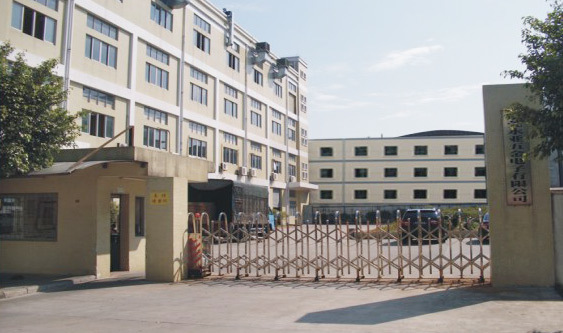
Dongguan Yongya Hardware Electronics Co., Ltd. is a wholly foreign-owned enterprise. The company was established in 1997 and the factory covers an area of 25000 square meters. The company mainly produces all kinds of aluminum, audio DVD front panel, computer and audio with a variety of heat sink, anodized processing
2
Strong production strength
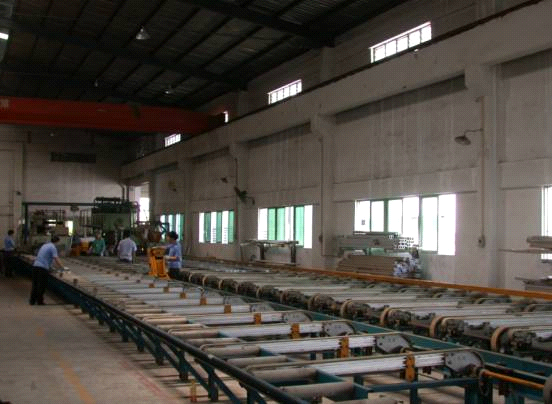
The company integrates mold design, development, and manufacturing. It has strong technical force, advanced machining equipment and production equipment; has rich experience in the production of hardware products; has sufficient hardware products production capacity, and is a fast-developing hardware in Dongguan. Products factory.
5
Quality Assurance
Now the company has fully established ISO9001:2015 quality management system and ISO14000:2015 environmental management system. In 2018, the company took the lead in passing the safety production standardization certification among its peers.
6
Perfect service system
We adhere to: "customer-centric, continuous improvement, excellence, full quality control, on-time delivery" for the purpose, to meet the growing quality needs of customers, technical needs, high quality, low-cost service and customers, won customer satisfaction and praise.
Previous:
Message
Professional service team answers

Privacy Policy | SEO | CitySite | Support:300.cn Dongguan