

General radiator 007 - Graphics card cooler
Classification:
Currently, the graphics card coolers on the market are mainly divided into two types: side-blowing coolers, air cooling + heatsink coolers, and heat pipe (combined with air cooling + heatsink) coolers.
Key words:
Ordinary radiator
Product Features
Currently, the graphics card coolers on the market are mainly divided into two types: side-blowing coolers, air cooling + heat sink coolers, and heat pipe (combined with air cooling + heat sink) coolers.
Side-blowing graphics card cooler
Side-blowing coolers are extremely common on reference graphics cards. We often see integrated coolers like the reference ATI Radeon HD 5870 and reference GeForce GTX 470, which are typical examples of side-blowing coolers. Side-blowing coolers utilize the lateral airflow generated by the rotation of a turbine fan to draw air from inside the case, then pass it through guiding channels and fins, heat pipes, etc., to expel heat through the exhaust port at the back of the graphics card to the outside of the case.
The main drawbacks of side-blowing graphics card coolers are insufficient cooling capacity and unsatisfactory noise control.
Advantages: Heat is expelled outside, preventing internal heat accumulation in the case, resulting in excellent internal temperature control (referring only to external cooling). Disadvantages: Turbine coolers are noisy, and temperature control is not outstanding.
Air cooling + heat sink type
The ordinary 'fan + heat sink' structure for graphics card coolers has a very long history; it has been used on a large scale since the birth of graphics cards and continues to be used today. Apart from changes in size and craftsmanship, its basic layout remains 'fan + heat sink.'
'Fan + heat sink' structure, while classic, also has drawbacks. Firstly, this structure relies solely on the thermal conductivity of the metal itself, which cannot promptly conduct heat away when facing high-power cores, leading to heat buildup at the core and insufficient thermal conduction efficiency. Secondly, the heat dissipation area of this structure's heat sink is difficult to increase; although larger fins can be used and multiple fan modes can enhance airflow, the further away a fin is from the core, the poorer its cooling efficiency becomes, making it difficult for heat to be evenly distributed across the fins. Advantages: Low cost, widely used, diverse designs.
Disadvantages: Poor cooling effect for high-power graphics cards, prone to heat accumulation.
Heat pipe graphics card cooler
Heat pipes have two particularly important functions: first, they quickly transfer heat; second, they balance hot spots, which can significantly enhance the performance of coolers and meet the cooling needs of high-heat graphics cards.
Advantages: Widely used, diverse designs, extremely excellent cooling effect.
Disadvantages: Heat pipes are relatively expensive and have high craftsmanship requirements.
1
20 + years of industry experience, focusing on plastic products
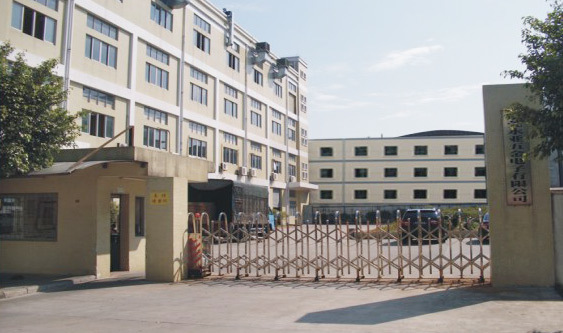
Dongguan Yongya Hardware Electronics Co., Ltd. is a wholly foreign-owned enterprise. The company was established in 1997 and the factory covers an area of 25000 square meters. The company mainly produces all kinds of aluminum, audio DVD front panel, computer and audio with a variety of heat sink, anodized processing
2
Strong production strength
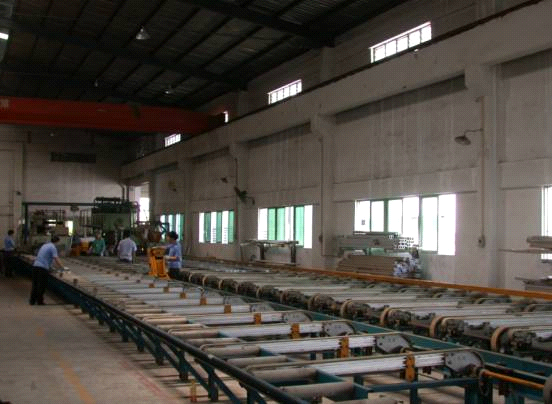
The company integrates mold design, development, and manufacturing. It has strong technical force, advanced machining equipment and production equipment; has rich experience in the production of hardware products; has sufficient hardware products production capacity, and is a fast-developing hardware in Dongguan. Products factory.
5
Quality Assurance
Now the company has fully established ISO9001:2015 quality management system and ISO14000:2015 environmental management system. In 2018, the company took the lead in passing the safety production standardization certification among its peers.
6
Perfect service system
We adhere to: "customer-centric, continuous improvement, excellence, full quality control, on-time delivery" for the purpose, to meet the growing quality needs of customers, technical needs, high quality, low-cost service and customers, won customer satisfaction and praise.
Message
Professional service team answers

Privacy Policy | SEO | CitySite | Support:300.cn Dongguan