

General radiator 003 - Power radiator
Classification:
1. Power coolers, also known as active coolers. As the name suggests, power coolers are used for power supplies and typically consist of heat sinks combined with fans, such as the CPU coolers in computers. Depending on the structure, material, and heat conduction method of the heat sink, there are four types: (1) Pure aluminum alloy (or pure copper) heat sink + fan, for example, widely used in computer CPU aluminum alloy (or pure copper) power coolers.
Key words:
Ordinary radiator
Product Features
Radiators can be generally divided into three types based on their structure and working principle:
1. Power supply radiators, also known as active radiators. As the name suggests, power supply radiators are used for power supplies, typically consisting of heat sinks and fans, such as CPU coolers in computers. They can be further divided into four types based on the structure, material, and heat conduction method of the heat sink.
(1) Pure aluminum alloy (or pure copper) heat sink + fan, for example, widely used aluminum alloy (or pure copper) power supply coolers for computer CPUs;
(2) Aluminum alloy fan fins + copper pipes (containing heated media, usually liquid, and sometimes aluminum pipes) or stainless steel pipes (for highly corrosive heated media, mainly used in the chemical industry) + fan, for example, CPU water cooling fans, air conditioning radiators, car radiators, etc., where good heating effects are essential;
(3) Aluminum alloy heat sink + copper conductive block + fan, also known as aluminum-plug copper radiators, which are least applied to CPU coolers in computers;
(4) Aluminum alloy fan fins + pure copper heat pipes + pure copper (or aluminum alloy) conductive block + fan, also known as heat pipe radiators, which are currently a popular fan method for CPU coolers in computers;
2. Electronic radiators are typically heat sinks for high-power electronic components without additional power supply; they naturally generate heat and are mostly made of aluminum alloy profiles, cut to necessary sizes based on component size, such as heat sinks for high-power power tubes or transistors. Of course, in similar situations, ultra-high-power electronic components may also have fans attached; for example, the power tube of a switch power supply must be equipped with a fan.
3. Heat exchangers usually involve two media that do not have a temperature difference and flow separately within pipes (or within fan blocks) and outside the pipes (or in another closely adjacent fan block or convective body) to exchange heat with each other. For example, CPU water cooling heads, radiator panels, gas water heaters; heat exchangers typically do not use power supplies and fans themselves but rely on natural air or liquid convection or additional air pumps or liquid pumps to force media flow.
1
20 + years of industry experience, focusing on plastic products
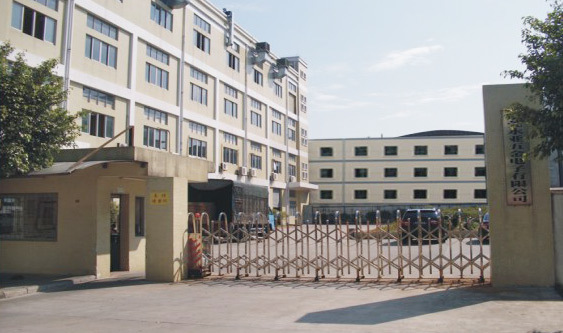
Dongguan Yongya Hardware Electronics Co., Ltd. is a wholly foreign-owned enterprise. The company was established in 1997 and the factory covers an area of 25000 square meters. The company mainly produces all kinds of aluminum, audio DVD front panel, computer and audio with a variety of heat sink, anodized processing
2
Strong production strength
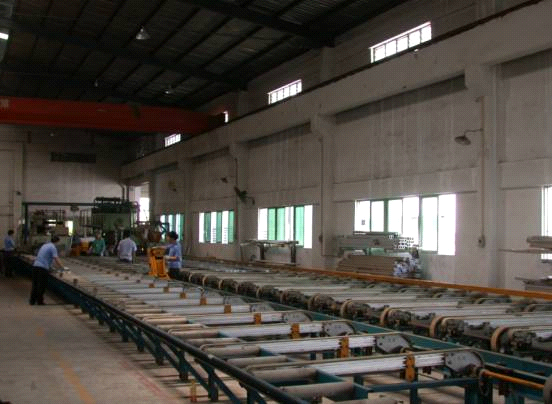
The company integrates mold design, development, and manufacturing. It has strong technical force, advanced machining equipment and production equipment; has rich experience in the production of hardware products; has sufficient hardware products production capacity, and is a fast-developing hardware in Dongguan. Products factory.
5
Quality Assurance
Now the company has fully established ISO9001:2015 quality management system and ISO14000:2015 environmental management system. In 2018, the company took the lead in passing the safety production standardization certification among its peers.
6
Perfect service system
We adhere to: "customer-centric, continuous improvement, excellence, full quality control, on-time delivery" for the purpose, to meet the growing quality needs of customers, technical needs, high quality, low-cost service and customers, won customer satisfaction and praise.
Message
Professional service team answers

Privacy Policy | SEO | CitySite | Support:300.cn Dongguan